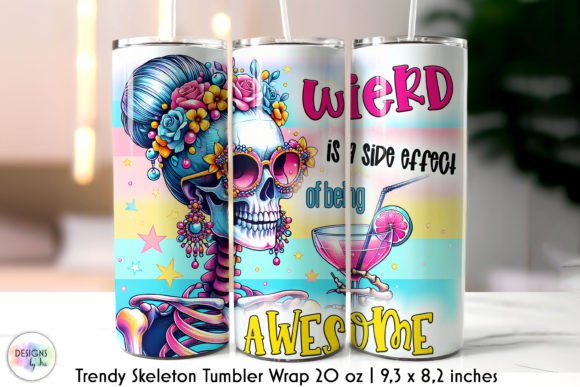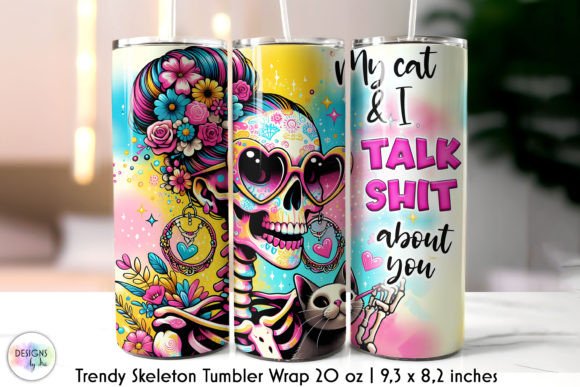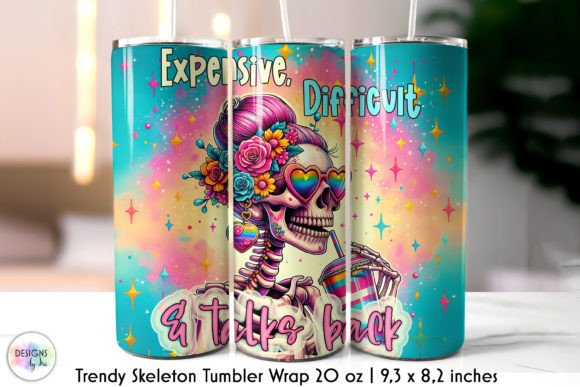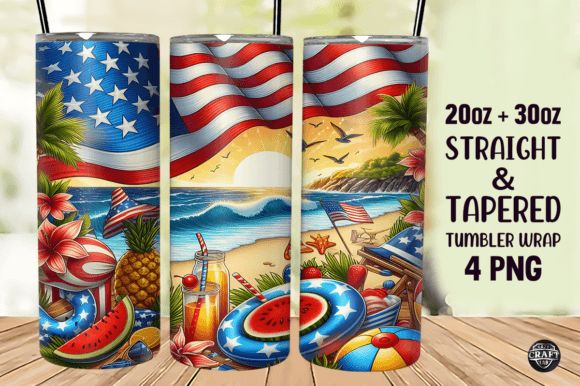
Skeleton 20oz Tumbler Wrap Doing
First Impressions: Bold, Playful, and Surprisingly Versatile
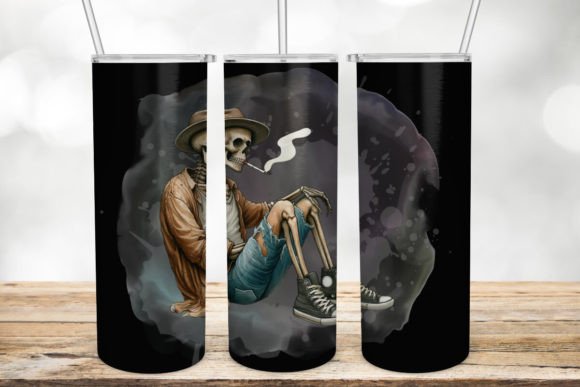
When I opened Skeleton 20oz Tumbler Wrap Doing, I wasn’t expecting much beyond a fun novelty graphic — but it surprised me. The composition is tight and centered, with clean negative space around the skeleton motif that reads instantly, even at small scale. It’s not overly detailed or fussy; instead, it leans into confident line work and intentional simplification. That makes it feel less like a clipart afterthought and more like a thoughtfully scaled design asset — especially for makers who need clarity over complexity.
A Real-World Test: Turning It Into a Custom Embroidered Tote for a Local Bakery
Last week, I used Skeleton 20oz Tumbler Wrap Doing as the foundation for a limited-run embroidered tote bag for a neighborhood sourdough bakery’s Halloween pop-up. We paired it with a subtle “Rise & Shine” script below the skeleton (added manually), stitched on natural canvas with matte black thread. The result? A cohesive, shop-branded item that felt handmade without looking amateurish. Customers loved the cheeky vibe — and importantly, the design held up beautifully across 48 units, even with slight variations in fabric tension and hoop placement.
Where This Design Truly Shines
- Custom apparel: Works cleanly on sweatshirt cuffs, back yokes, or chest pockets — especially when you want attitude without clutter.
- Tote bag design: Its vertical proportion fits naturally along the side seam or centered on the front panel.
- Embroidered patch: Clean edges and moderate detail translate well to iron-on or sew-on patches for jackets or backpacks.
- Baby embroidery: Surprisingly gentle when stitched in soft pastel thread on organic cotton onesies — the skeleton reads more whimsical than spooky at small scale.
- Holiday embroidery: Fits right into October-themed merchandise, but also bridges into Day of the Dead or quirky Valentine’s collections with smart color swaps.
- Craft business branding: Feels authentic and ownable — not generic enough for mass resale, but flexible enough for small shop consistency.
Where to Proceed With Care
Skeleton 20oz Tumbler Wrap Doing isn’t built for ultra-fine detail work. If you’re planning to stitch it on:
- Thin or stretchy fabric: Use cutaway stabilizer — the open areas can distort if the base shifts during stitching.
- Dark fabric: Test contrast first. Light gray or off-white thread can get lost; go for charcoal or deep navy for legibility.
- Curved surfaces like caps: Resize carefully. At full width, it may wrap awkwardly over seams — consider cropping or simplifying for crown placement.
- Frequent-wash items: Avoid dense fill-stitch interpretations in high-friction zones (e.g., tote bag handles). A balanced mix of satin and running stitches holds up better long-term.
- Small hoop sizes (under 4”): You’ll need to reduce scale meaningfully — check that eye sockets and jawline still read clearly post-resizing.
Design Judgment: What It Adds to Your Finished Product
This isn’t just decoration — it’s a tone-setter. When stitched well, Skeleton 20oz Tumbler Wrap Doing elevates a basic tote or sweatshirt into something with personality and intention. Customers notice that. It builds trust because it signals you’ve chosen a design with purpose, not just filled space. For Etsy sellers and craft fair vendors, that translates directly into perceived value and repeat interest. And for boutique branding? It gives your lineup a memorable visual anchor — especially when paired with complementary design assets like coordinating tea towel motifs or apron accents.
Practical Notes Every Embroidery Designer Should Check
- Test on scrap fabric first — especially if mixing thread types or using textured weaves like linen or terry cloth.
- Review stitch density — this design could easily become too heavy if converted to all-fill without editing. Prioritize clean outlines and strategic negative space.
- Confirm hoop size compatibility — while designed for 20oz skinny tumblers, its proportions adapt well to standard 4x4 or 5x7 hoops with minor scaling.
- Inspect small details — the ribcage lines and finger joints are readable at 3”, but vanish below 2”. Adjust accordingly for baby items or cap fronts.
- Try black-and-white mockups — helps spot unintended tonal blending before stitching.
- Compare light vs. dark fabric backgrounds — what reads as crisp on ivory may blur on charcoal unless thread contrast is dialed in.
- Use proper stabilizer — medium-weight cutaway prevents puckering on knits and lightweight cottons.
- Verify licensing — since this is a digital embroidery file, confirm whether commercial use is permitted before selling finished products or bundling it into design packs.
Final Thought: A Design That Earns Its Place
Skeleton 20oz Tumbler Wrap Doing doesn’t shout — it winks. It’s the kind of graphic that works harder than it looks like it should: adaptable across mediums, expressive without being loud, and professional without feeling sterile. Whether you’re an Etsy seller building seasonal inventory, a small shop owner curating boutique merch, or a hobbyist stitching personalized gifts, this design earns its spot in your library — not as filler, but as a reliable, character-driven tool. Just remember: its strength lies in thoughtful execution, not automatic perfection. Stitch it with care, test it early, and let its quiet confidence do the rest.